On August 28, 2025, France, Germany, and the United Kingdom (the “E3”) formally activated the United Nations’ “snapback” sanction mechanism against Iran. This process, rooted in the 2015 nuclear agreement (JCPOA), allows for the reinstatement of previously lifted sanctions—without the possibility of veto by Iran’s allies on the UN Security Council. The sanctions could be restored as early as October. (The Siasat Daily, Reuters)
Targeted measures include renewed restrictions on arms, uranium enrichment, financial systems, travel bans, and inspections of Iranian cargo. These moves are set to intensify pressure on Iran, whose economy is already responding poorly to existing strains. (Reuters, New York Post, The Guardian)
Diplomatic Context & Iran’s Response
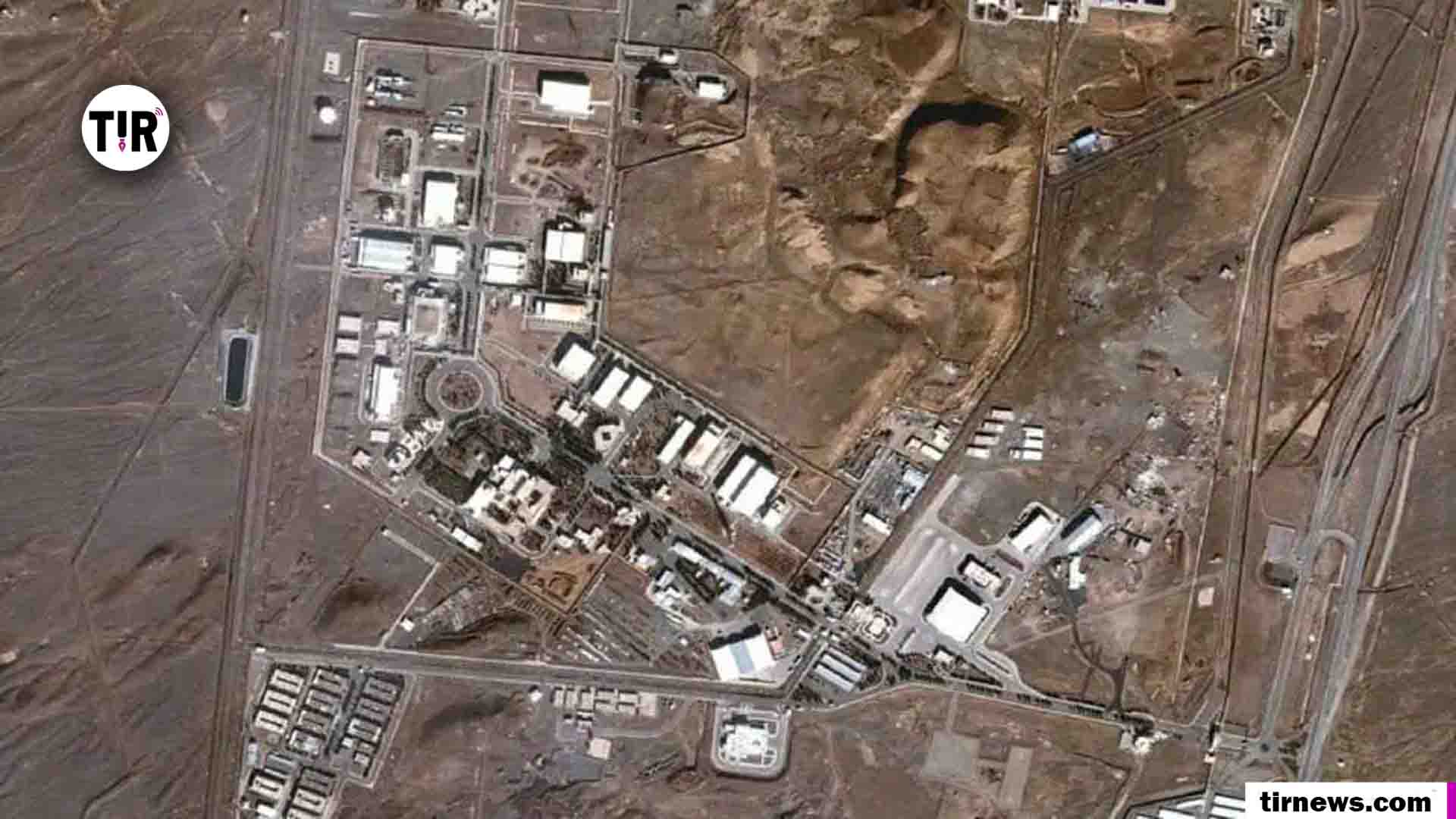
The snapback was triggered following failed negotiations, exacerbated by recent U.S. and Israeli airstrikes on Iranian nuclear sites and Iran’s hindrance of inspections by the IAEA. (Financial Times, The Wall Street Journal, Reuters, The Guardian, Wikipedia)
Europe’s Stance:
- The E3 emphasized that sanctions are reversible if Iran resumes full cooperation and returns to diplomacy within the 30-day window. They even offered a six-month extension to facilitate talks. (The Guardian, Reuters, Wikipedia)
Iran’s Position:
- Iranian officials denounced the move as “illegal,” “malicious,” and a betrayal of diplomatic efforts. Iran warned it could sever ties with the IAEA or even withdraw from the Nuclear Non-Proliferation Treaty (NPT). (Omni, ایران اینترنشنال | Iran International, Wikipedia, Reuters)
Reactions from Global Players:
- Russia condemned the decision, calling it a “serious destabilising factor” that undermines diplomatic resolution. (Reuters)
- The United States, despite pulling out of the 2015 agreement in 2018, welcomed the move and reiterated its willingness for renewed engagement if Iran shows genuine intent. (The Wall Street Journal, Al Jazeera, Reuters)
What’s Next
The UN Security Council will review the E3’s request, though the snapback mechanism circumvents vetoes. If new negotiations fail, full sanctions—including trade and financial restrictions—will automatically come into effect. (Reuters)
This critical phase carries the hope for renewed diplomacy, but also raises concerns over escalating regional tensions and further economic hardship for Iran.