
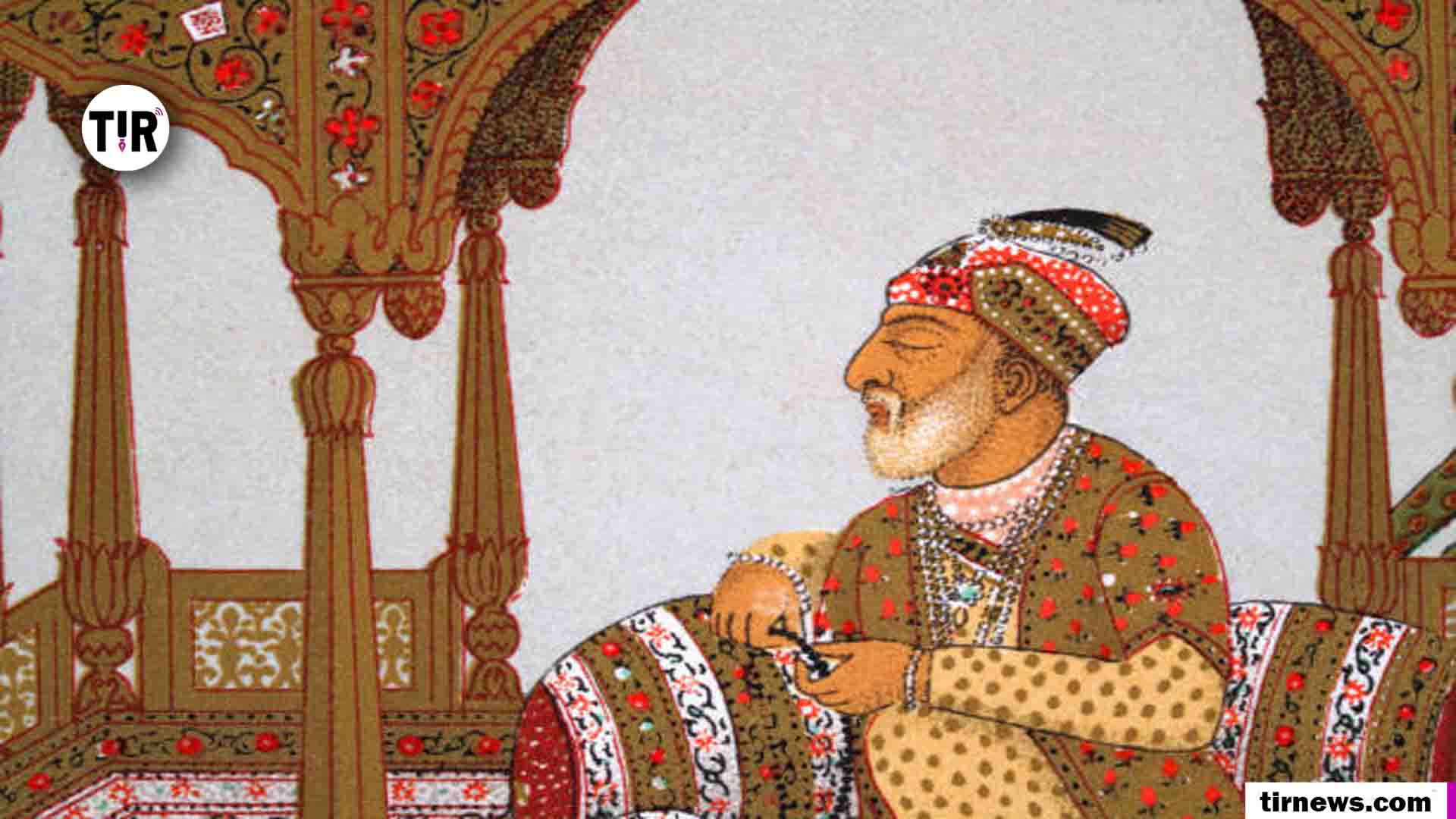
New Delhi – A new National Council of Educational Research and Training (NCERT) textbook has triggered widespread backlash over its portrayal of prominent historical Muslim rulers in India. The textbook, intended for school students, describes the Delhi Sultanate and the Mughal era as marked by “religious intolerance,” calling Emperor Babur “ruthless,” Akbar “brutal,” and Aurangzeb a “temple destroyer.”
The controversial language, which many historians and educators believe is biased and historically inaccurate, has ignited criticism from academic circles, civil rights groups, and minority communities. Critics argue that the textbook promotes a communal interpretation of history and undermines the syncretic legacy of India’s past.
Scholars have pointed out that while instances of conflict did exist, the textbook fails to present the complexity of the period, including reforms, architectural achievements, administrative innovations, and cultural advancements under these rulers. There is also concern that the content is aligned with a particular ideological agenda, which could deepen communal divisions among students.
Student organizations and political leaders have called on the Education Ministry to immediately revise the material, warning that such portrayals could distort young minds and fuel religious prejudice. Petitions are now being circulated demanding a review of all NCERT historical content for objectivity and academic integrity.