
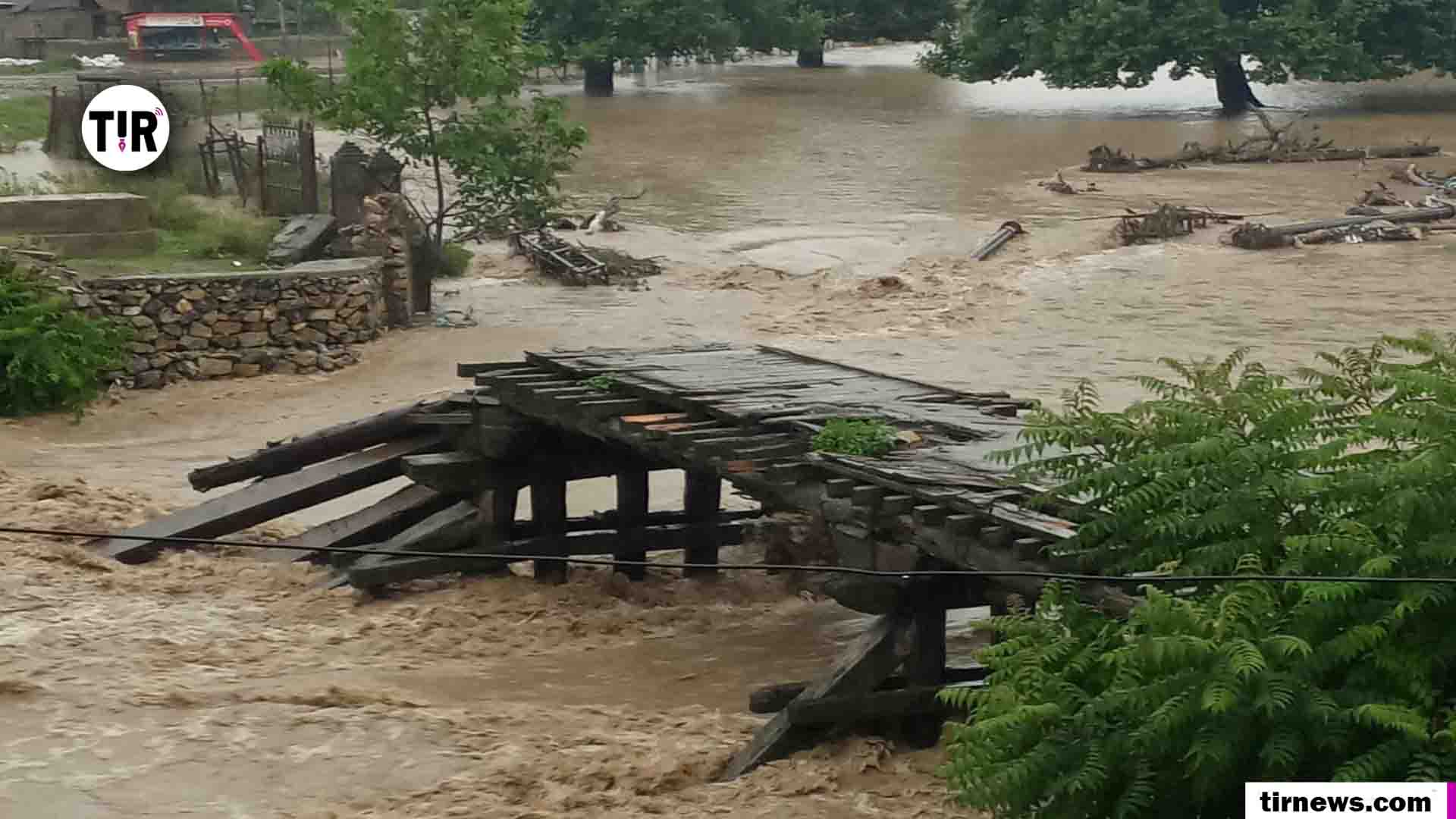
On September 3, 2025, incessant torrential rains across Jammu & Kashmir caused the water level of the Jhelum River to exceed the danger mark in multiple locations. At Sangam (Anantnag), the river flowed at 25.51 ft, surpassing the critical 25 ft danger threshold. Meanwhile, at Pampore, levels climbed to 5.19 m, above the alarm mark of 5.0 m. Although readings at Srinagar’s Munshi Bagh and Asham remain below critical levels, the upward trend remains concerning (Free Press Kashmir, Kashmir Life).
Several tributaries are also swelling rapidly: the Vishow Nallah at Khudwani surged to 11.10 m, well above its 8.5 m danger mark. Other watercourses—including Sindh Nallah and Lidder Nallah—are nearing alert levels (Free Press Kashmir, Kashmir Life).
Response & Safety Measures
- School Closures & Travel Restrictions
All schools and colleges across Kashmir have been closed as part of precautionary measures. The Srinagar–Jammu national highway, the only road link connecting the region to the mainland, has been shut down amid rising water levels and landslides (The New Indian Express, The Siasat Daily). - Flood Alerts Issued
Authorities have issued flood advisories and activated control rooms across the Valley. Public announcements, including mosque loudspeakers, are alerting residents to stay away from vulnerable riverbanks and seek higher ground (Outlook India, Kashmir Life, Free Press Kashmir). - Infrastructure Strain
The Srinagar–Jammu highway closure is disrupting essential supply chains, driving up prices of fruits, vegetables, and other daily necessities across the region (The New Indian Express, The Siasat Daily).
Broader Context & Rainfall Crisis
- Wider Impact Across North India
Heavy rains across northern India have resulted in widespread flooding and landslides. Beyond Kashmir, severe impacts are seen in states like Himachal Pradesh, Uttarakhand, Punjab, Haryana, and Delhi. The Yamuna River in Delhi has also breached its danger mark, prompting the evacuation of about 10,000 residents (Reuters, The Times of India). - Previous Devastation Recalled
Earlier floods, cloudbursts, and landslides in the Himalayan region led to dozens of deaths and extensive infrastructure damage. The current scenario echoes the devastating 2014 floods across Jammu & Kashmir, when Jhelum and other rivers surged well above danger levels (The Economic Times, The Times of India, Reuters, Wikipedia).